
10 min read · 1915 words
Why Should I Consider Minimalist Bedroom Lighting for Sale?
You’re not alone in feeling overwhelmed by the starkness of harsh overhead lighting. Many of us crave a softer, more inviting ambiance in our bedrooms—a space often labeled as our sanctuary. People come in frustrated with their harsh overhead light and the sensation of being bathed in cold, clinical brightness. They want warmth and depth. They want lighting that feels intentional, not just an afterthought.
Studies show that the right lighting can impact your mood and overall well-being. According to a recent survey by Elle Decor, 56% of respondents reported that soft, layered lighting helped them feel more relaxed and ready for rest. So, how do we get there? Let’s explore some practical tips for choosing minimalist bedroom lighting that speaks to your sensory needs.
What Does Soft Lighting Look Like?
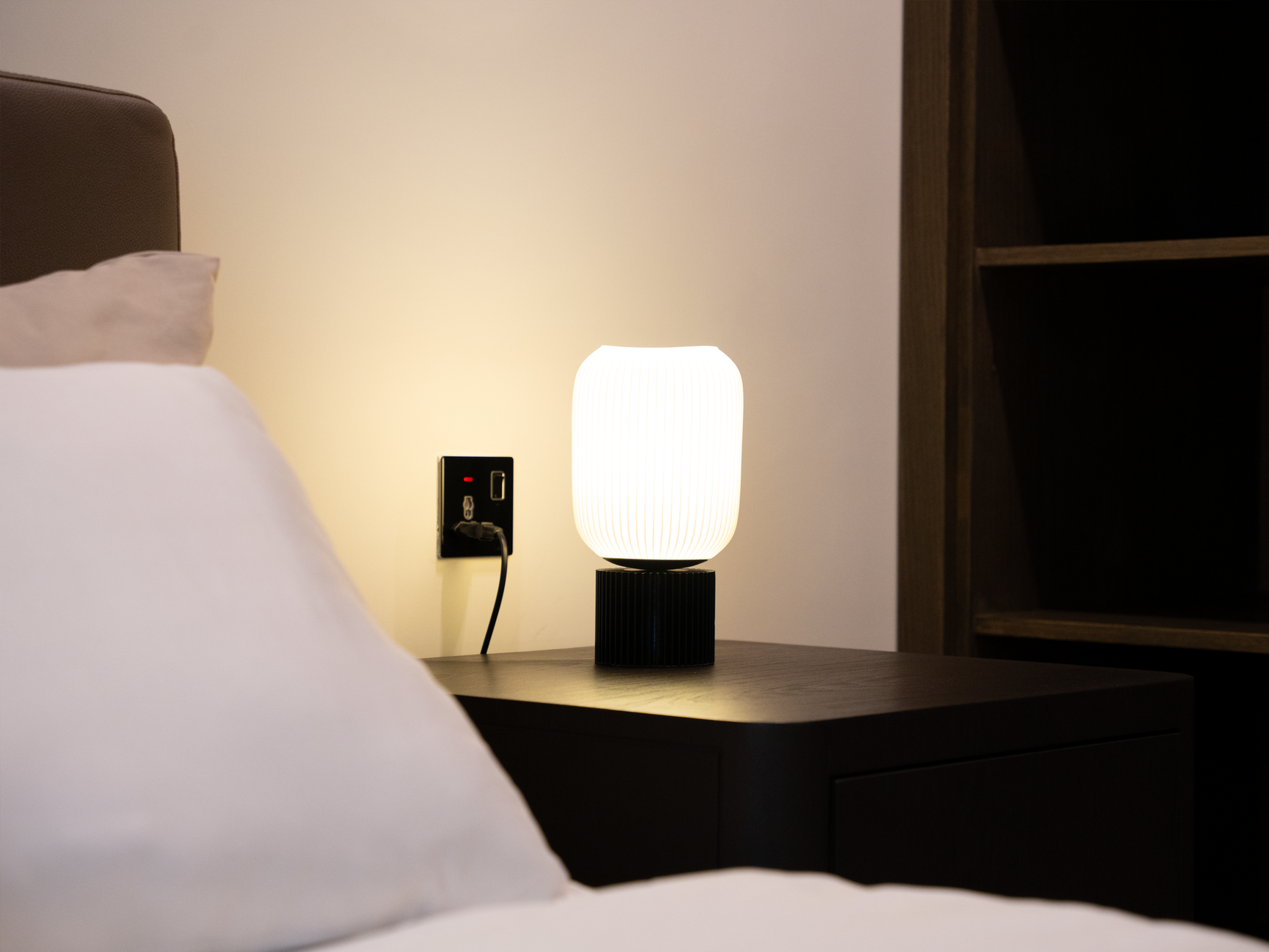
Simple, yet effective. Soft lighting can be achieved through warm pools of light that dance around a room instead of flooding it from above. Think of a layering approach. You can start with ambient lighting to provide overall illumination. This includes wall sconces or table lamps that gently bounce light off surfaces, creating a cozy environment.
In my experience, people often underestimate the power of using multiple light sources. Instead of a single focal point, you can mix and match—think bedside lamps, floor lamps, and pendant lights.
How Do I Choose the Right Light Fixtures?
Light fixtures aren’t just functional; they’re an integral part of your room’s aesthetic. If you’re going for minimalist vibes, focus on material honesty. Choose pieces that reflect simplicity and craftsmanship.
For instance, our Artisan Weave: Retro Rattan & Iron Fishing Line Pendant is a fit. With a warm glow and natural textures, it pairs beautifully with other materials in your bedroom. Plus, it’s a great example of how to create an without compromising on style.
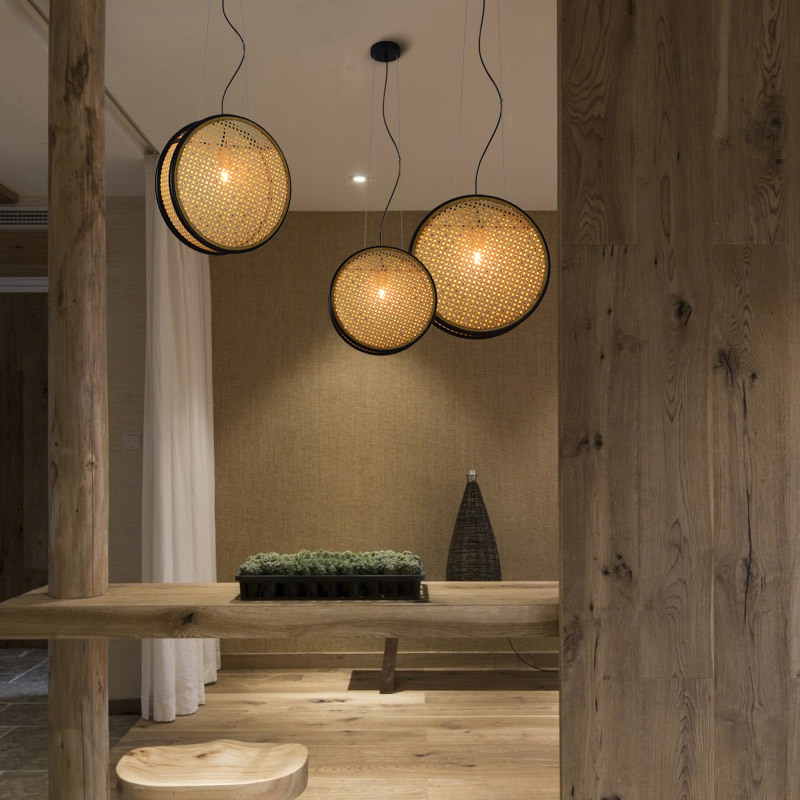
Artisan Weave: Retro Rattan & Iron Fishing Line Pendant
This Artisan Weave: Retro Rattan & Iron Fishing Line Pendant combines style and function. creating the perfect ambiance. Perfect fo…
$210.00
Can I Mix Different Styles of Lighting?
Absolutely! Don’t restrict yourself to one type of lighting fixture. Instead, incorporate different styles to create depth. If you lean into the anti-overhead lighting movement, consider table lamps and floor lamps with varying heights. This encourages light layering.
The goal is to create an inviting space where shadows play softly on the walls instead of the stark, harsh lines created by “big light.”
How Do I Work with Rental Restrictions?
If you’re renting, you might face limitations on fixtures or styles. But, you can still have fun layering light with portable options like decorative lamps or even battery-operated LED strips.
I’ve noticed many customers bring in their unique color and materials, even with these restrictions. Simple additions like plush rugs and textured pillows can enhance the warmth while maintaining a minimalist aesthetic.
FAQ About Minimalist Bedroom Lighting
What type of bulbs should I use for a cozy feel?
Soft white LED bulbs or incandescent bulbs can create that warm glow you’re looking for. Aim for something with a lower Kelvin number (around 2700K) for the coziest atmosphere.
How many light layers should I have in my bedroom?
Aim for at least three sources—ambient light, task lighting (like bedside lamps), and accent light, which can be provided by wall sconces or even candles.
Are there any lighting fixtures that are particularly good for small bedrooms?
Absolutely! Wall-mounted fixtures or pendant lights can save valuable space. Look for styles that draw the eye up to create the illusion of more height.
A Final Thought on Minimalist Lighting
In essence, choosing minimalist bedroom lighting for sale is about more than simply picking out a fixture. It’s about understanding how different types of light can evoke emotions and create a sanctuary you’re proud to come home to.
As you explore options, think about how each piece contributes not just to aesthetics but to your overall well-being. Remember, lighting is an art—a blend of function and feeling. Your bedroom should reflect a , inviting you to unwind .
How Can I Use Color Temperature to Enhance My Space?
lighting for your minimalist bedroom, consider the color temperature of your bulbs. This goes beyond just aesthetics; it shapes the way you feel in the room. Cooler temperatures (above 3000 Kelvins) can encourage alertness, while warmer tones (below 3000 Kelvins) foster a .
In practice, using warmer color temperatures in your bedroom can it from a stark, utilitarian space into a cozy retreat. If you work from home and need to balance the calming atmosphere with functional lighting, consider a color-changing bulb that can be tuned to suit different activities—warmer for winding down in the evenings, cooler for focusing during the day.
What Are Some Effective Ways to Use Floor and Table Lamps?
Floor and table lamps can play a pivotal role in defining your bedroom’s atmosphere. Using layered lighting allows you to strike a balance between functionality and coziness.
For example, a sleek floor lamp can act as a stunning focal point that adds character and warmth. Position it in a corner with a textured rug beneath it to help diffuse the light. Pair it with a complementary table lamp on your bedside table to further soften the room. Look for fixtures that echo natural materials, like the beloved rattan of our Artisan Weave: Retro Rattan & Iron Fishing Line Pendant.
Should I Incorporate Dimmable Lighting?
Incorporating dimmable lighting can dramatically your space. The option to adjust light levels means you can adapt the ambiance to suit different moods and times of day. From bright light during morning routines to softer tones for winding down in the evening, dimming creates a versatile environment.
To integrate dimmable features into your space, consider lamps with built-in dimmers or switch to smart bulbs that can be controlled via an app or remote. These allow you to tailor the environment precisely to your needs. This approach not only s the functionality of your lighting but enhances emotional well-being—a cozy retreat is all about feeling comfortable in your haven.
How Can I Use Reflective Surfaces Effectively?
Mirrors and other reflective surfaces can be your secret weapon in maximizing light and depth in the bedroom. Here’s how: place a mirror opposite or near a light source to bounce that warm glow back into the room. This technique enhances the layering effect, spreads light evenly, and makes your space feel larger—especially useful for smaller rooms.
You could consider a large textured mirror with a natural wood frame that complements your lighting fixtures. Such choices exude warmth while adding a touch of rustic charm.
What About Incorporating Warm Textures?
To truly feel at home, aim to combine lighting choices with warm, inviting textures. Fabrics like soft linen, chunky knits, or plush velvets can dramatically produce a sensory environment conducive to relaxation. Buildings robust in natural light are enhanced with textiles that play with both light and shadow.
For instance, draping a soft, light-filtering sheer curtain behind heavier blackout options allows you to play with the amount of natural light entering the space. During the day, you benefit from filtered daylight that gently brightens without washing out your decor. Once night falls, close your darker drapes to keep distractions out.
How Do I Choose the Right Color Palette for My Bedroom?
The color palette is just as essential in the quest for a cozy, minimalist bedroom. Softer tones—like muted greens, blush pinks, and warm earth tones—can complement your lighting and reinforce that inviting feel. Conversely, stark whites can leave a space feeling sterile if overused.
Experimenting with paint can breathe new life into your room. If you’re renting, you may be limited, but removable wallpaper is a fun alternative for creating a warm backdrop that enhances your lighting design. Use calm colors to create a soft foundation that harmonizes with your warm lighting, making the lights feel like an extension of the walls, rather than isolated points.
Examples of Minimalist Lighting from the Past & Present
History tells us that minimalist lighting hasn’t always been about the sheer absence of decor but the thoughtful integration of well-designed pieces. Mid-century modern design is a timeless example, using minimalist designs that prioritize function while offering artistic appeal. The use of materials such as brass and clear glass in lighting from this era added luxury without overwhelm.
Today’s designs focus on sustainability and craftsmanship while holding on to those mid-century principles. Look for fixtures that provide ample light without feeling imposing. When you think about lighting, consider local artists and artisans who specialize in lighting design. Their handcrafted goods often come with stories, adding emotional depth to your purchases, which aligns beautifully with the concept of a sensory sanctuary.
Can Plants Enhance My Lighting Design?
Plants do more than just provide aesthetic allure; they can significantly improve the quality of light in your bedroom. Integrating greenery creates a sense of airiness and boosts your mood. Additionally, they help filter the air, contributing to a healthier indoor environment.
You can choose a couple of minimalist indoor plant pots that match your lighting style, placing them near natural light sources to thrive. Consider plants like snake plants or pothos—both are resilient and enhance the tranquility of the room. Arrange them so that the light from your ceiling or table lamps illuminates their leaves, casting gentle shadows and enhancing the atmosphere.
Practical Considerations for Small Spaces
In smaller bedrooms, every lighting choice counts. So how do you create depth and intimacy in tight spaces?
– Sparse Arrangements: Instead of crowding shelves, choose only one or two primary sources of light that can also double as decor pieces. An elegant chandelier, like our pendant light, can act as a centerpiece while taking up no additional floor space.
– Use Light Wisely: Skip the table version of a lamp in favor of wall-mounted sconces. This not only saves space but allows you to play with height and shadow, essential for making smaller spaces feel larger.
– Visual Trickery with Paint: Use a lighter color for walls and a darker color for the ceiling; this can create an illusion of height. Combined with your minimalist lighting solutions, the result can be an airy, uplifting chamber.
FAQ About Minimalist Bedroom Lighting
What is the best way to layer lighting in my bedroom?
Start with ambient lighting (overhead or wall-mounted); then add task lighting (like bedside table lamps) and finish with accent lighting (like floor lamps or decorative candles).
How can I make a small bedroom feel larger with lighting?
Use multiple light sources at different heights, preferably wall-mounted, to create depth. Choosing open, airy light fixtures can also help draw the eye upward.
Are there specific colors that work best with minimalist lighting?
Yes! Soft whites, muted greys, and pastel shades create a harmonious flow with your lighting. Darker colors can also work, but balance them with ample soft light to avoid a cave-like effect.
Closing Thoughts
Creating an intimate, warm bedroom can seem daunting, especially when navigating the limitations of spatial dimensions or rental restrictions. However, through thoughtful lighting selections, textures, and colors, you can craft a retreat that not only reflects your style but s your emotional and sensory experiences.
Embrace the of being a Sensory Sanctuary Seeker. Start with the essentials: warm lights that speak to you, textures that comfort, and colors that soothe. You deserve a space that feels just as inviting and restorative as you are.

